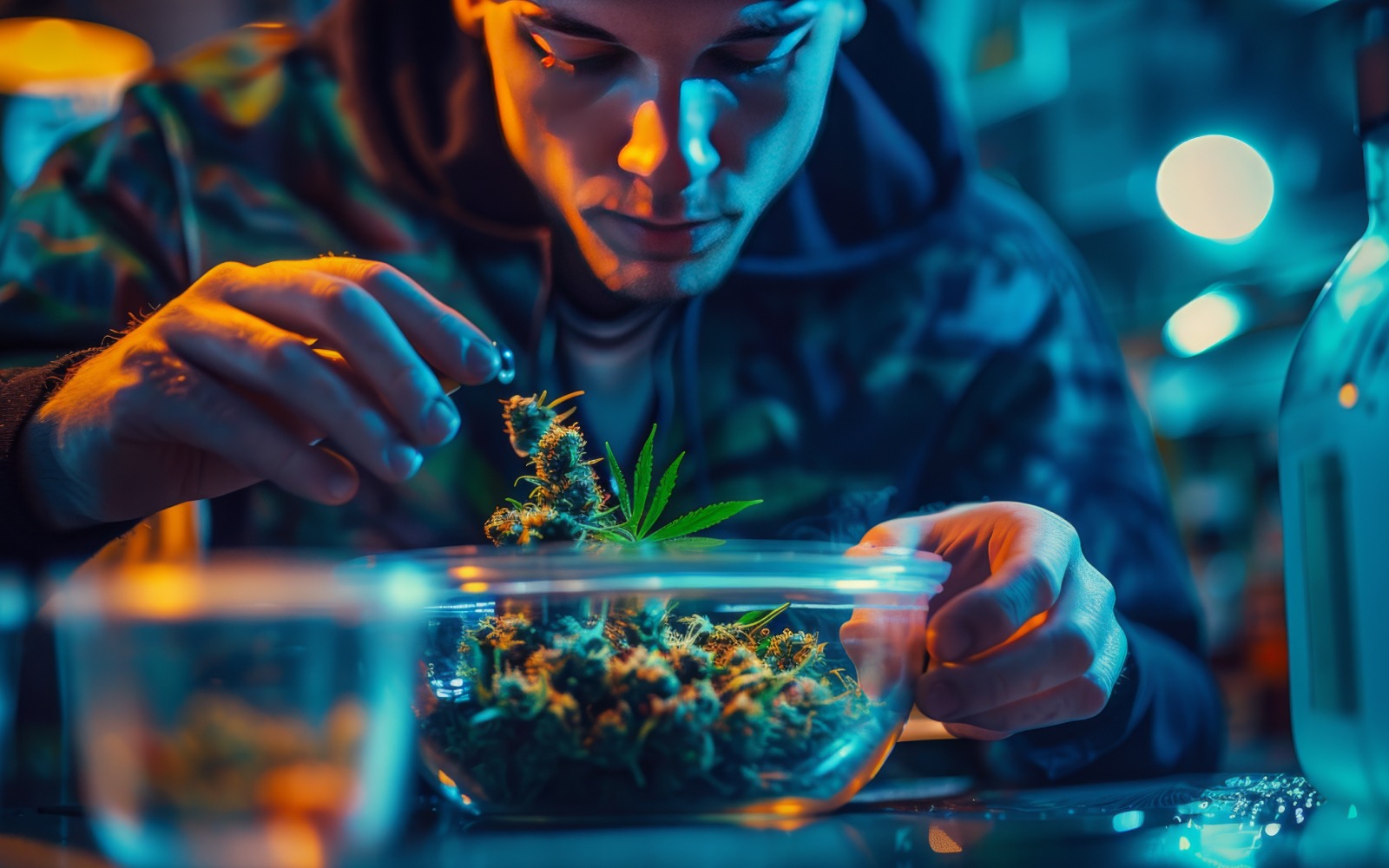

In recent years, the conversation around cannabis has evolved significantly, with increasing numbers of people exploring its potential benefits for sleep. Whether it’s the relaxing effects of CBD (cannabidiol) or the sedative qualities of THC (tetrahydrocannabinol), many individuals are turning to cannabis as a natural remedy to help them get a better night’s rest. But before reaching for that cannabis-infused tincture or smoking a joint before bed, it’s important to understand the facts surrounding this trend. While cannabis has been linked to sleep improvements for some, there are key factors and considerations that should be kept in mind to ensure its responsible and effective use for sleep enhancement.
Understanding the Relationship Between Cannabis and Sleep
Cannabis has been used for centuries for its medicinal properties, and sleep is one of the most common areas of interest. Cannabis contains over 100 cannabinoids, but the two most widely studied and discussed when it comes to sleep are THC and CBD.
- THC (Tetrahydrocannabinol): THC is the psychoactive compound in cannabis responsible for the “high” that users experience. It has been found to have sedative effects, helping people fall asleep faster. For some, THC can also extend the duration of deep sleep, which is crucial for rest and recovery. However, THC may have different effects depending on the dosage, the individual’s tolerance, and the strain of cannabis used.
- CBD (Cannabidiol): CBD, on the other hand, is non-psychoactive and does not produce a “high.” Studies suggest that CBD has the potential to alleviate anxiety and promote relaxation, which can indirectly support better sleep. While it doesn’t always produce the immediate sedative effect that THC does, many users find that regular use of CBD helps them sleep more soundly over time by reducing stress levels.
The Science Behind Cannabis and Sleep
The endocannabinoid system (ECS) plays a crucial role in regulating various physiological processes, including sleep. The ECS consists of receptors (CB1 and CB2) spread throughout the body, particularly in the brain and nervous system. THC and CBD interact with these receptors, influencing sleep regulation in different ways.
- THC and Sleep: THC is known to bind primarily with CB1 receptors in the brain, which can have sedative effects, inducing drowsiness. Studies have shown that THC can help people fall asleep more quickly, particularly in individuals with insomnia or other sleep disorders. It can also reduce the time spent awake during the night, though some studies have shown that high doses of THC may reduce REM sleep, which is vital for dreaming and cognitive function.
- CBD and Sleep: While CBD doesn’t induce the same immediate sedative effect as THC, it has been shown to have anxiolytic (anxiety-reducing) properties. By reducing anxiety, CBD can help ease the mind and promote a sense of calm, which may lead to improved sleep. CBD has also been shown to increase the overall duration of sleep in some cases, particularly in individuals with chronic pain, anxiety, or PTSD-related sleep disturbances.
The Dosage Debate: How Much is Enough?
The right dosage is one of the most important factors when using cannabis for sleep. The effects of cannabis can vary greatly depending on the individual and their tolerance level. Here are a few general guidelines to keep in mind:
- Start Low, Go Slow: If you’re new to cannabis, it’s always a good idea to start with a small dose, especially with THC. Begin with 2.5–5 mg of THC and assess how it affects your sleep. For CBD, doses typically range from 10–25 mg, depending on individual needs.
- Tolerance and Sensitivity: Some individuals are more sensitive to cannabis, especially THC, while others may need higher doses to feel the effects. If you’re using cannabis regularly and find that the initial dose isn’t as effective, you can gradually increase the dosage, but always do so slowly and carefully.
- Different Forms of Cannabis: The method of consumption also affects how cannabis interacts with the body. Smoking or vaping cannabis provides a fast-acting effect, which may be beneficial if you need immediate relief. Edibles, on the other hand, take longer to take effect but tend to have longer-lasting results. Tinctures or oils can also be a good option, offering flexibility in dosing and speed of action.
Potential Benefits of Cannabis for Sleep
Many people report significant improvements in sleep quality after using cannabis, particularly for specific conditions. Here are a few key benefits:
- Improved Sleep Onset:
Cannabis, particularly THC, can help people fall asleep faster. This is especially beneficial for individuals who struggle with sleep onset due to anxiety, racing thoughts, or other mental health conditions.
- Decreased Nighttime Awakenings:
Cannabis may help reduce the frequency of nighttime awakenings, allowing for a more continuous and restful sleep cycle.
- Reduction in Pain-Related Sleep Disturbances:
Cannabis is often used by individuals dealing with chronic pain, such as arthritis or fibromyalgia. By reducing pain and inflammation, cannabis may help these individuals achieve better, uninterrupted sleep.
- Enhanced Sleep Quality:
Some studies suggest that cannabis can improve the quality of sleep by increasing the amount of deep (slow-wave) sleep, which is essential for physical restoration and memory consolidation.
Choosing the Right Cannabis Strain for Sleep
If you’re planning to use cannabis specifically to aid your sleep, choosing the right strain is essential. There are many different strains of cannabis, each with unique effects. Generally, strains with higher levels of THC are more likely to have sedative effects, while strains with a higher CBD content tend to be more relaxing without being sedating.
- Indica Strains: These are often recommended for sleep because they tend to have relaxing, sedative effects. They are typically higher in THC and lower in CBD, making them ideal for individuals looking to fall asleep quickly and enjoy a restful night of sleep.
- Sativa Strains: These strains tend to be more energizing and stimulating, so they are generally not ideal for sleep. However, some people with depression or anxiety may find that sativa strains help them relax enough to fall asleep.
- Hybrid Strains: A blend of both indica and sativa, hybrid strains can offer a balanced effect. Some hybrids are specifically bred for sleep, with the calming properties of indicas combined with the mood-lifting aspects of sativas.
Conclusion
In conclusion, cannabis can be a valuable aid for improving sleep, but it’s important to remember that it isn’t a one-size-fits-all solution. THC and CBD have shown potential benefits such as faster sleep onset, reduced nighttime awakenings, and improved overall sleep quality when used mindfully. However, factors like proper dosage, strain selection, and individual body response play a crucial role in achieving the best results. This is where Noire Dispensary stands out, offering carefully curated options to help you find products that align with your sleep needs. By starting with low doses, paying close attention to how your body reacts, and seeking guidance when needed, you can maximize the sleep benefits of cannabis while minimizing possible side effects. As always, consulting a healthcare provider before incorporating cannabis into your sleep routine is a wise step, especially if you have existing medical conditions or are taking other medications.